Slowness is the costliest risk in technological change: How to make your organisation faster
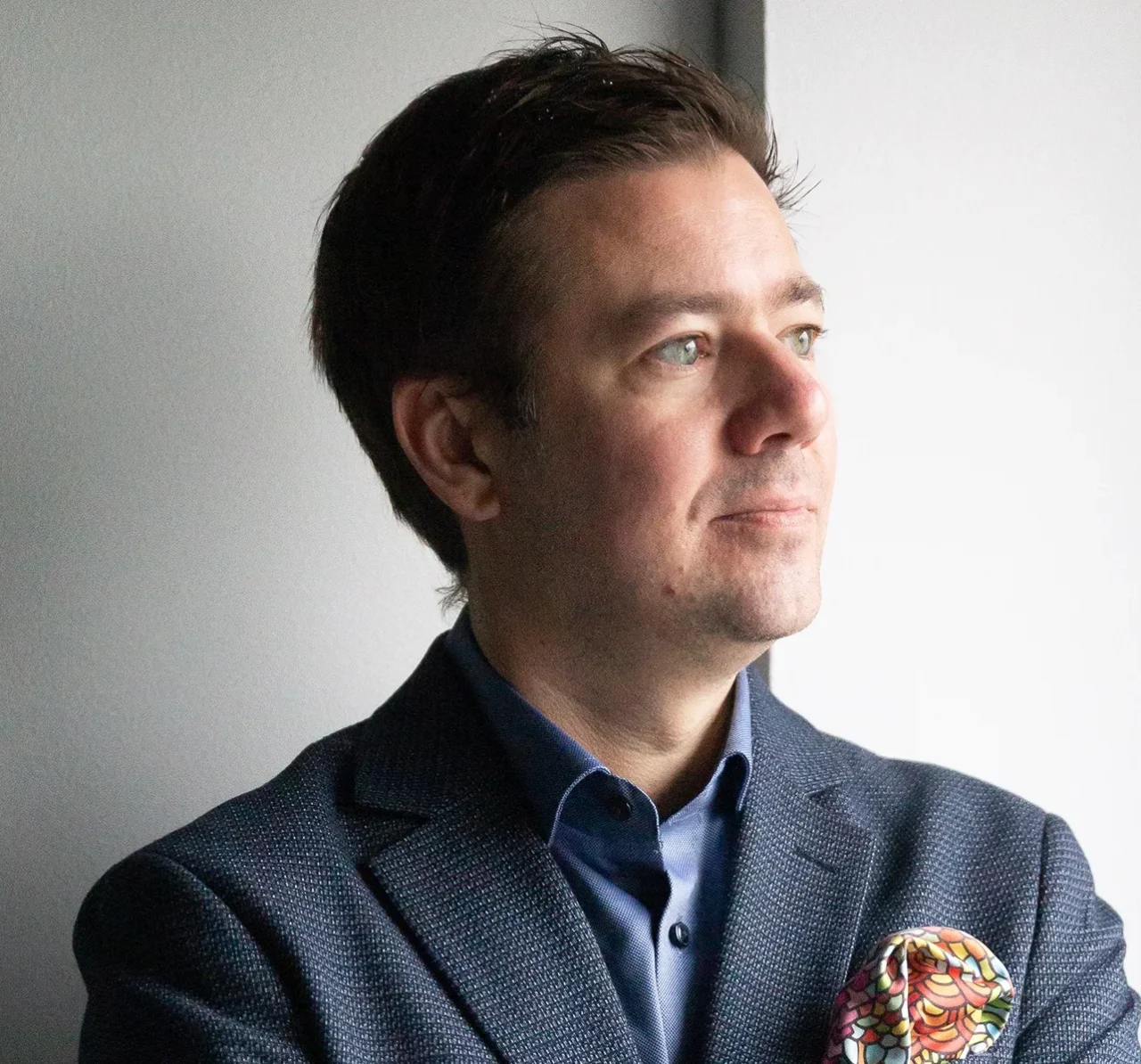
“Technology is changing so rapidly that no one has time to plan everything in advance. The winners are organisations that know how to move: to experiment, measure and adjust course faster than others. Speed is about learning, not rushing. And above all, it is a question of leadership,” says Minna Lindholm, CEO of HiQ.

– Almost every company now has access to the skills and technologies it needs. The real competitive advantage lies in how quickly a business can move from decision to execution, says Minna Lindholm, CEO of HiQ.
Almost two and a half years at the helm of technology company HiQ have convinced Lindholm that many businesses measure their competitiveness using the wrong metrics. As AI adoption accelerates, cybersecurity becomes increasingly important and geopolitical uncertainty already influences technology decisions, the landscape is changing faster than traditional annual planning cycles can respond.
– In a world like this, slowness is a risk that does not appear on the balance sheet but eats away at profitability. Every unnecessary round of approvals takes time, and time is now the most valuable currency, Lindholm says.
Why does speed matter right now?
Lindholm describes organisational speed in terms of iteration speed: the ability to move from an idea to execution without cumbersome structures and to adjust course based on data. The shorter that journey, the more iterations an organisation can complete.
– If a competitor can experiment, measure and improve three times while another company is still planning its first attempt, it also learns three times as fast. That gap compounds, Lindholm says.
She points out that speed comes from structures, not from a tool. When decision-making involves protocols, processes and committees whose permission is required, even a good idea can become outdated before anyone has tried it.
Technology is not the biggest barrier to speed
According to Lindholm, technology is rarely the reason for slow progress. More often, the cause lies in the culture, and sometimes in fear.
– Organisations slow themselves down because they fear making mistakes more than standing still. They respond by adding more checkpoints, and every one of them slows things down, she says.
A fast-moving organisation tolerates work in progress and accepts that some experiments will fail.
– The costliest decision is not a wrong one that can be corrected within a week. It is the decision no one dares to make at all, Lindholm says.
Speed does not mean rushing
One of the most common misconceptions among leadership teams, Lindholm says, is that speed means carelessness. That is not the case.
– Speed means the ability to learn, experiment and improve continuously. This must be done systematically and responsibly. It does not mean compromising on quality. Quite the opposite. At HiQ, we assess project quality and risks at the sales stage, rather than waiting until something goes wrong, she says.
Lindholm highlights an observation that comes up repeatedly in day-to-day operations: the biggest improvements in results come from fixing small structural flaws. Getting the big picture right often comes down to getting the details right.
– Profitability is determined by delivery, not by the price list. That is why quality needs to be at the heart of the business, rather than a separate support function, she points out.
The new competitive arena: Who moves fastest?
AI makes speed even more important. As machines accelerate routine work, the skills that set experts apart change. Interpersonal skills, critical thinking and the ability to assess machine-generated output are becoming as important as technical expertise.
– A result that looks convincing is not always correct. This is particularly important when it comes to information security and responsible technology. Speed without judgement is dangerous, but judgement without speed is expensive, Lindholm says.
In her view, speed is ultimately a question of culture and leadership. An organisation moves quickly only when people have the confidence to make decisions close to the customer and information flows in both directions, including from the bottom up.
– A leader’s job is to communicate a direction that feels meaningful. They also need to build channels through which ideas and observations can surface. Otherwise, the most valuable thoughts go unspoken, Lindholm says.
Four questions to test your organisation’s speed
Lindholm offers leaders a simple way to assess how quickly their organisation can move, using four questions.
- How many approvals does a good idea need before it can be tested?
- How quickly is a bad decision identified and reversed?
- Does information about problems reach management within days or months?
- Does quality assurance happen at the beginning or only at the end?
– The answers reveal more about competitiveness than many performance indicators, Lindholm says.
Five ways to make your organisation faster
1. Shorten the path from decision to execution
Ask how many approvals a good idea needs before it can be tested. Every unnecessary round is a hidden cost.
2. Experiment, measure, adjust
Do not deliberate over decisions endlessly. Put an idea into practice, use data to track its impact and adjust course quickly, even while things are still taking shape.
3. Build in quality from the start
Address quality and risks at the sales stage. Profitability is determined by delivery, not by fixing problems afterwards.
4. Open up communication in both directions
Build channels that allow observations from the front line to reach management. A fast-moving organisation makes decisions close to the customer.
5. Combine speed with judgement
Let AI accelerate routine work, but keep people responsible for quality assurance. Speed without critical thinking comes at a cost.
In three years, speed will set the winners apart
AI is raising the bar for everyone. As routine work speeds up everywhere, the difference will no longer come from who adopts AI, but from who knows how to combine speed with judgement.
– The world will not change on our behalf, and it will not wait for those who are slow to act. In three years, I want to see an organisation that learns faster than the world around it changes. That is a goal worth working towards every day, Lindholm says.

Get in touch!
Get in touch!
Choose your nearest office, looking forward to hear from you!